
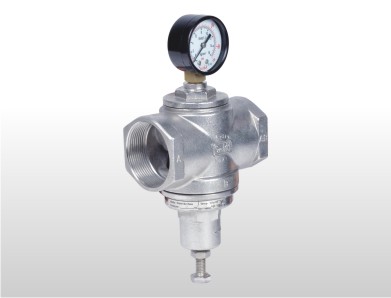
If you’re looking for a comprehensive guide on how pressure reducing valves work, you’ve come to the right place. This blog post will cover everything you need to know about pressure-reducing valves, from how they work to the benefits of having one. We’ll also provide some helpful tips on installation and maintenance. By the end of this post, you’ll be an expert on pressure-reducing valves!
Introduction
A pressure-reducing valve is a device that helps regulate the pressure in a system. It does this by releasing excess tension from the system, preventing damage to equipment or pipes. Pressure reducing valves are commonly used in water systems but can also be found in gas and air systems.
When choosing a pressure-reducing valve, it is essential to consider the system’s flow rate, maximum pressure and operating temperature. It is also necessary to select a valve compatible with the pipe’s material or equipment it will be attached to.
Installing a pressure-reducing valve is relatively simple and can be done by anyone with basic plumbing knowledge. Maintenance of the valve is also relatively easy but should be done by a qualified professional if you are not confident in doing it yourself.

What is a pressure reducing valve?
A pressure reducing valve (PRV) is a type of valve that is used to regulate the pressure of a fluid or gas. The pressure of the liquid or gas is reduced by the PRV when released from the valve.
PRVs are commonly used in industrial and commercial applications where it is necessary to control fluid or gas pressure. For example, PRVs are often used to manage water stress in a pipeline system.
PRVs are also used in domestic applications, such as regulating water pressure in a home plumbing system.
How does a pressure reducing valve work?
A pressure reducing valve (PRV) is a type of valve used to regulate fluid or gas pressure. The pressure of the fluid or gas is reduced by the PRV when released from the valve. PRVs are commonly used in industrial and commercial applications, as well as some domestic applications.
How does a pressure reducing valve work?
The pressure inside the valve drops when fluid or gas is released from a PRV. This drop in pressure causes the PRV to open and allows more fluid or gas to flow into the valve. As more fluid or gas flows into the valve, the pressure inside the PRV increases. When the desired pressure is reached, the PRV closes and stops fluid or gas flow.
The benefits of pressure reducing valves
There are many benefits to using pressure reducing valves, including the following:
1. PRVs can help maintain consistent pressure in a system, which can be necessary for the system’s proper functioning.
2. PRVs can help to protect equipment from damage that high pressures can cause.
3. PRVs can help to reduce noise levels in a system by reducing the pressure of the fluid or gas flowing through the system.
4. PRVs can help to save energy by reducing the pressure of the fluid or gas flowing through the system. This stress reduction can reduce the energy required to pump the liquid or gas through the system.
Pressure reducing valve installation and maintenance
PRVs are typically installed in systems where it is necessary to maintain constant pressure. For example, in a water supply system, a PRV may be installed upstream of a pump to protect the pump from damage caused by fluctuations in pressure. Additionally, PRVs can reduce noise levels in a system by absorbing energy from high-pressure waves. Finally, PRVs can save energy by lowering fluid or gas pressure before entering an appliance such as a boiler.
PRVs must be regularly maintained to ensure that they are functioning correctly. For example, the filter on a PRV should be checked periodically and replaced as necessary. Additionally, the PRV should be checked for leaks, and repairs should be made as needed.
I have frequently asked questions about pressure reducing valves.
Q: What is a pressure reducing valve?
A: A pressure reducing valve (PRV) is a type of valve used to regulate fluid or gas pressure. The pressure of the fluid or gas is reduced by the PRV when released from the valve. PRVs are commonly used in industrial and commercial applications, as well as some domestic applications.
Q: How does a pressure reducing valve work?
A: A pressure reducing valve (PRV) is a type of valve used to regulate fluid or gas pressure. When fluid or gas is released from a PRV, the pressure inside the valve drops, causing the PRV to open and allow more fluid or gas to flow into the valve. As more fluid or gas flows into the valve, the pressure inside the PRV increases. When the desired pressure is reached, the PRV closes and stops fluid or gas flow.
Q: What are some benefits of using a pressure reducing valve?
A: There are many benefits to using pressure reducing valves, including maintaining the consistent force in a system, protecting equipment from damage, reducing noise levels, and saving energy.
Q: Where are pressure reducing valves installed?
A: Pressure reducing valves are installed in systems where it is necessary to maintain constant pressure, such as in a water supply system. They can save energy by reducing the pressure of a fluid or gas before it enters an appliance.
Q: How often do I need to maintain my pressure reducing valves?
A: Pressure reducing valves must be regularly maintained, including checking the filter and for leaks.