
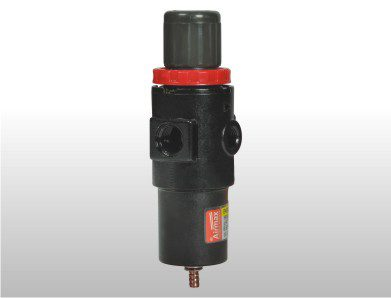
Pneumatic power is a crucial part of many businesses, yet it can be difficult to choose the right accessories for the job. In this blog post, we’ll explore why pneumatic power is important for your business, what factors to consider when choosing pneumatic accessories, what types of pneumatic accessories are available, how to choose the right size and specification for your needs, how to ensure quality in your pneumatic accessories, and what after-sales support is available. With this information, you’ll be well-equipped to make the right decision when it comes to selecting the best pneumatic accessories for your business.
Why pneumatic power is important for your business
Pneumatic power is an invaluable resource for businesses in a variety of industries, from manufacturing and construction to food processing and automotive. Its use enables businesses to operate more efficiently, with greater accuracy and safety than ever before.
Pneumatics are most commonly used to operate tools, machines, and other devices. This means they can provide a precise level of control over the operation of machinery, allowing for faster production times and better quality output. Pneumatic systems also require less maintenance than other types of machinery; they typically last longer than mechanical or hydraulic machines due to their lack of moving parts. Additionally, pneumatic accessories are often easier to install than their mechanical counterparts, as they require fewer connections and components.
Another great advantage of pneumatic power is its versatility. These systems can be used in a variety of applications, from home automation to industrial robotics. This makes them highly adaptable for businesses that may need to adjust their operations on the fly or need access to multiple tools in a short period of time. Furthermore, pneumatic systems are extremely reliable; they rarely malfunction due to their simple design and lack of fragile parts.
Finally, pneumatic power has become increasingly popular among industries that focus on environmental sustainability due to its energy efficiency. By reducing air consumption during operation by up to 70%, these systems can significantly reduce the carbon footprint associated with operating machinery. In addition, many modern pneumatic accessories feature noise dampening technology which helps reduce sound pollution levels in the workplace.
Overall, pneumatic power offers numerous advantages for businesses looking for increased efficiency and reduced operational costs without sacrificing quality or safety outcomes. With its versatility and reliability making it suitable for a range of applications across different industries, investing in the right accessory can help you get the most out of your business’s operations while staying eco-friendly at the same time!
What factors to consider when choosing pneumatic accessories
Choosing the right pneumatic accessories for your business is a crucial decision, as it can affect the performance of machinery, cost of operations, and ultimately, profitability. There are several factors to consider when selecting the best pneumatic accessory for your business.
The first factor to consider is the type of accessory required. Pneumatic accessories come in various types and sizes, such as pressure regulators, valves, couplers, and more. Depending on your application and requirements you may need one or multiple types of pneumatic accessories to meet your needs.
The second factor to consider is compatibility with existing equipment and systems. If you’re replacing an old accessory or adding a new one to an existing system, make sure that it’s compatible with all other components in order to ensure smooth operation. Incompatible parts can cause significant problems down the line which could lead to costly repairs or replacements being needed.
Thirdly, think about the quality of each accessory before making a purchase. It’s important that you only use high-quality accessories as they will last longer and offer greater performance than lower quality alternatives. When looking at different brands and products always read customer reviews online before deciding which ones are best suited for your business needs.
Fourthly, take into account any certifications or standards associated with each product prior to purchase as this will help you make sure that you are choosing safe and reliable products that meet industry safety regulations as well as international standards such as ISO 9001:2015 Quality Management Systems Certification.
Finally, ensure that you factor in cost considerations when making your selection too; some higher-end products may be more expensive but they may be worth it if they guarantee better performance or longer life expectancy than cheaper alternatives would provide over time. Research different suppliers carefully before opting for one so that you get the best deal possible for your money whilst still benefiting from great quality products too!
What types of pneumatic accessories are available
When it comes to pneumatic accessories, there is a wide range of products available. These include valves, cylinders, regulators, filters, tubing, and connectors, as well as more specialized components such as actuators, rotary switches, and solenoids. Depending on the specific needs of your business and the type of systems that you have in place, some or all of these components may be required.
Valves are an important component for controlling the flow of liquids or gasses within a system. They can come in many different forms including ball valves, butterfly valves, and pinch valves. It is important to choose a valve that is suitable for the environment in which it will be used – for example, if corrosive chemicals are present then corrosion-resistant materials should be chosen.
Cylinders provide linear force and motion control when used with pressurized gas or liquid. They can be found in single-acting or double-acting configurations with either pneumatic or hydraulic actuation forces. The cylinder size should be selected based on the amount of force required to drive the application along with other factors such as stroke length and speed requirements.
Regulators are used to controlling pressure levels within a system by reducing higher pressures to lower pressures via regulating devices such as pressure relief valves and restrictors. They should be selected based on the type of media being controlled (air or fluid) as well as the desired pressure settings for both high-pressure and low-pressure side operations.
Filters are also necessary components when using pressurized systems – they help remove contaminants from liquids or gasses before they enter into another part of the system or tooling device. There are two types of filters – coarse filters which remove larger particles from fluids or gasses while finer filters can remove smaller particles down to micron size levels depending on their rating.
Tubing is also essential for connecting various components together within a pneumatic system – it provides an efficient means for transporting air from one component to another without creating large losses in airflow due to friction losses inside the tubing itself. The sizes vary depending on what type of connections are being made along with other factors such as media type (air/liquid/gas) and operating temperature range requirements.
Finally, connectors are necessary for securely attaching various components together within a pneumatic system – this includes both quick connect couplings that allow rapid connection/disconnection between components without tools but also threaded fittings which create leak-free connections between pipes/tubes regardless of their size differences due to threads being able to accommodate slight variations in pipe diameters during installation processes.
Overall, there is a wide variety of pneumatic accessories available depending on your specific business needs – choosing carefully ensures that your system runs efficiently while minimizing unnecessary downtime due to unexpected problems arising from faulty products being used at critical points within the structure of your operation.
How to choose the right size and specification for your needs
When selecting the right size and specification for your pneumatic accessories, it is important to be aware of the environment in which they will be used. This includes factors such as temperature, pressure, humidity, and vibration. These environmental factors can have an impact on the performance of the accessory so it is important to consider them when selecting a suitable product. It is also important to ensure that the chosen size and specification are compatible with existing equipment and systems.
In addition to considering the environment and compatibility with existing equipment, it is important to look at features such as flow rate, power output, and accuracy when choosing the right size and specification for your pneumatic accessories. Flow rate refers to how quickly the accessory can move air or other media through its system; this is measured in liters per minute (LPM). Power output indicates how much energy the accessory can produce; this is usually measured in watts or horsepower (hp). Accuracy refers to how accurately an accessory can control a process; this is typically measured in percentages or parts per million (ppm).
Another factor that should be taken into account when selecting a pneumatic accessory is its life expectancy. Generally speaking, higher-end products tend to have longer life expectancies than lower-end products due to their superior quality materials and construction methods. Additionally, if possible, choose accessories that come with warranties or guarantees from the manufacturer; these will offer peace of mind should any issues arise with your purchase within a certain period of time.
Finally, cost considerations should also be taken into account when selecting pneumatic accessories for your business needs. While higher-end products may provide better performance and longer life expectancy than lower-end products, they may also come with a significantly higher price tag so it’s important to weigh up all costs before making a decision.
Choosing pneumatic accessories for your business requires consideration of several factors such as environmental conditions, compatibility with existing equipment, flow rate requirements, power output capabilities, accuracy levels and life expectancy as well as cost considerations. Taking all these factors into account will help you select an appropriate product for your needs that will provide optimal performance over time while ensuring maximum efficiency for your system and minimizing downtime.

How to ensure quality in your pneumatic accessories
When selecting pneumatic accessories for your business, it is important to ensure that the quality of the product is high and up to industry standards. Quality control should be a priority when choosing pneumatic accessories, as poor quality products can cause problems with system performance or result in costly repairs. Here are some tips on how to ensure quality in your pneumatic accessories:
1. Check certifications and industry standards: When selecting pneumatic accessories, it is important to check that they meet any relevant certifications or industry standards. This will ensure that the product meets best practices for safety and performance.
2. Research the manufacturer’s reputation: Researching a manufacturer’s reputation can help you determine whether their products are of good quality or not. Look into customer reviews, ratings and other feedback from previous users of their products – this information can be invaluable when making an informed decision about which pneumatic accessory provider to choose.
3. Ensure compatibility with existing equipment: Checking that the pneumatic accessory is compatible with existing equipment is essential for ensuring optimal performance and minimizing downtime due to compatibility issues.. Use manufacturers’ specifications charts to identify which components are suitable for use in your system before making a purchase.
4. Make sure parts are tested before installation: Testing components before installation will help you identify any defective parts before they are integrated into your system – saving you time and money in the long run. Many manufacturers provide detailed testing instructions as well as test kits, so it is worth researching these options if they exist for the specific components you plan on purchasing.
By following these tips, you can ensure that your pneumatic accessories provide optimal performance over time while keeping costs down by avoiding unnecessary repairs or replacement parts due to low-quality components being used in your system.
What after-sales support is available
When selecting pneumatic accessories for your business, it is important to ensure that after-sales support is available. After-sales support can include assistance with installation, maintenance, troubleshooting and repairs. Most of the time, the manufacturer or supplier will provide this service in order to ensure that their products are working optimally and providing the best performance possible. It is important to research any potential suppliers before making a purchase to make sure they offer adequate after-sales support.
For businesses operating in remote locations or areas with limited access to technical expertise, it may be beneficial to look for suppliers who offer remote services such as online tutorials and video demonstrations. These can be great resources for businesses who may not have access to an experienced technician on hand. Additionally, many suppliers also offer extended warranties which cover parts and labor costs over a specified period of time – this can help reduce costs associated with repairs and replacements in the event of a malfunctioning product.
Finally, it’s important to consider if any additional training or certification is necessary when using certain types of pneumatic accessories. For example, some regulators require specialized training in order to use them correctly and safely – understanding these requirements upfront can help avoid unexpected delays or costly mistakes down the line.
In conclusion, researching a supplier’s after-sales support prior to making a purchase decision is essential for ensuring optimal performance over time while minimizing downtime associated with repairs or replacements. By taking into account factors such as installation assistance, maintenance services and extended warranties when selecting pneumatic accessories for your business you can ensure that you are purchasing high quality products that will provide reliable performance for years to come.